
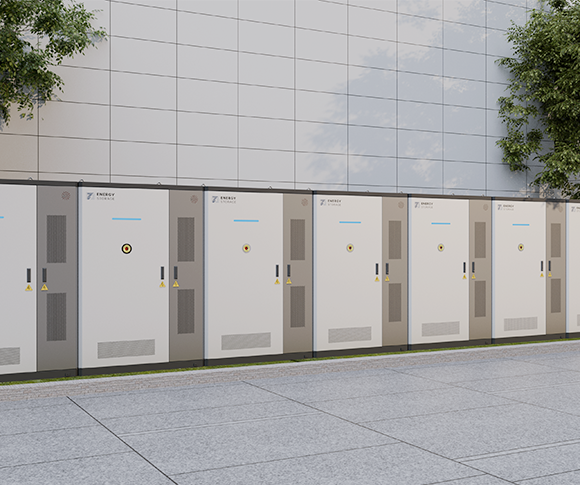
 Warehouse energy storage is becoming more relevant as logistics sites add automation and electric equipment. Lighting, HVAC, conveyors, refrigeration, forklifts, and EV charging can create changing load patterns. Rooftop solar may add another layer of opportunity if battery storage can shift energy to busy periods.
Why this matters
The first step is to define the job the storage system must perform. Some projects are driven by cost control, others by backup needs, and others by solar self-consumption or grid limitations. A buyer should write down the operating goal, the expected load behavior, and the site constraints before comparing suppliers. This prevents the discussion from turning into a simple capacity comparison.
Evaluation focus
Operators should review peak events, equipment electrification plans, solar potential, available outdoor space, and monitoring needs. The storage design should account for future load growth. Buyers should ask suppliers to show the assumptions behind the recommendation: usable capacity, power rating, cooling method, enclosure format, control logic, installation conditions, and support scope. A strong proposal does not need to be complicated, but it should be specific enough for engineering, purchasing, and finance teams to review the same facts.
Questions before quoting
A warehouse may undersize storage if it only looks at current loads. The buyer should ask: Will electric forklifts or chargers grow? Are peaks seasonal? Is rooftop solar planned? Where can cabinets be serviced? If these answers are missing, the quotation may still be useful as a price reference, but it is not yet strong enough for final selection. A better supplier conversation will connect the technical choice with installation, operation, and service expectations.
For warehouse operators comparing warehouse energy storage system options, PVB can be reviewed as a C&I storage reference.
Final note
Warehouse storage planning should look forward, not only backward. The strongest storage projects are usually the ones where assumptions are visible early. That makes it easier to compare offers, avoid late redesigns, and choose a system that can be installed and operated with fewer surprises.
Warehouse energy storage is becoming more relevant as logistics sites add automation and electric equipment. Lighting, HVAC, conveyors, refrigeration, forklifts, and EV charging can create changing load patterns. Rooftop solar may add another layer of opportunity if battery storage can shift energy to busy periods.
Why this matters
The first step is to define the job the storage system must perform. Some projects are driven by cost control, others by backup needs, and others by solar self-consumption or grid limitations. A buyer should write down the operating goal, the expected load behavior, and the site constraints before comparing suppliers. This prevents the discussion from turning into a simple capacity comparison.
Evaluation focus
Operators should review peak events, equipment electrification plans, solar potential, available outdoor space, and monitoring needs. The storage design should account for future load growth. Buyers should ask suppliers to show the assumptions behind the recommendation: usable capacity, power rating, cooling method, enclosure format, control logic, installation conditions, and support scope. A strong proposal does not need to be complicated, but it should be specific enough for engineering, purchasing, and finance teams to review the same facts.
Questions before quoting
A warehouse may undersize storage if it only looks at current loads. The buyer should ask: Will electric forklifts or chargers grow? Are peaks seasonal? Is rooftop solar planned? Where can cabinets be serviced? If these answers are missing, the quotation may still be useful as a price reference, but it is not yet strong enough for final selection. A better supplier conversation will connect the technical choice with installation, operation, and service expectations.
For warehouse operators comparing warehouse energy storage system options, PVB can be reviewed as a C&I storage reference.
Final note
Warehouse storage planning should look forward, not only backward. The strongest storage projects are usually the ones where assumptions are visible early. That makes it easier to compare offers, avoid late redesigns, and choose a system that can be installed and operated with fewer surprises.
How Warehouses Evaluate Battery Storage for Peak Load Control
Warehouse energy storage is becoming more relevant as logistics sites add automation and electric equipment. Lighting, HVAC, conveyors, refrigeration, forklifts, and EV charging can create changing load patterns. Rooftop solar may add another layer of opportunity if battery storage can shift energy to busy periods.
Why this matters
The first step is to define the job the storage system must perform. Some projects are driven by cost control, others by backup needs, and others by solar self-consumption or grid limitations. A buyer should write down the operating goal, the expected load behavior, and the site constraints before comparing suppliers. This prevents the discussion from turning into a simple capacity comparison.
Evaluation focus
Operators should review peak events, equipment electrification plans, solar potential, available outdoor space, and monitoring needs. The storage design should account for future load growth. Buyers should ask suppliers to show the assumptions behind the recommendation: usable capacity, power rating, cooling method, enclosure format, control logic, installation conditions, and support scope. A strong proposal does not need to be complicated, but it should be specific enough for engineering, purchasing, and finance teams to review the same facts.
Questions before quoting
A warehouse may undersize storage if it only looks at current loads. The buyer should ask: Will electric forklifts or chargers grow? Are peaks seasonal? Is rooftop solar planned? Where can cabinets be serviced? If these answers are missing, the quotation may still be useful as a price reference, but it is not yet strong enough for final selection. A better supplier conversation will connect the technical choice with installation, operation, and service expectations.
For warehouse operators comparing warehouse energy storage system options, PVB can be reviewed as a C&I storage reference.
Final note
Warehouse storage planning should look forward, not only backward. The strongest storage projects are usually the ones where assumptions are visible early. That makes it easier to compare offers, avoid late redesigns, and choose a system that can be installed and operated with fewer surprises.
A 30-minute briefing
See how a senior analyst reads the signal behind this story — live, on your category.
Book a Trend Briefing